| Journal of Current Pharmacology, ISSN 0000-0000 online, Open Access |
| Article copyright, the authors; Journal compilation copyright, J Curr Pharmacol and Elmer Press Inc |
| Journal website https://jcp.elmerpub.com |
Review
Volume 1, 2026, e5

Beyond the Procedure Day: Chronic Gastrointestinal and Nutritional Sequelae of Sustained Glucagon-Like Peptide-1 Receptor Agonist Therapy: Implications for the Internist
Ahmed Abdallah Salman 
Internal Medicine Department, Faculty of Medicine, Cairo University, El Manial, Cairo 11956, Egypt
Manuscript submitted July 6, 2026, accepted September 25, 2026, published online October 10, 2026
Short title: GI and Nutritional Sequelae of GLP-1 RA Therapy
doi: https://doi.org/10.14740/jcp5
| Abstract | ▴Top |
Glucagon-like peptide-1 receptor agonists (GLP-1 RAs) and dual incretin agonists have rapidly evolved from glycemic adjuncts to indefinitely prescribed therapies for obesity and for reducing cardiovascular, renal, and hepatic risks. Existing safety literature has focused predominantly on the acute, periprocedural issue of delayed gastric emptying and pulmonary aspiration during endoscopy and anesthesia. Much less attention has been paid to the gastrointestinal and nutritional implications of remaining on these agents for years, the clinical situation that the general internist increasingly manages. This narrative review, based on a structured literature search, consolidates recent evidence on the chronic gastrointestinal and nutritional effects of sustained GLP-1 RA exposure. It describes how persistent incretin signaling may change gastric emptying, gut motility, appetite, and biliary dynamics, and differentiates modulatory effects that gradually dissipate from those that persist. It examines the burden of chronic nausea and the disputed nature of GLP-1-associated gastroparesis; altered absorption of concomitant oral drugs; the nutritional and body-composition implications of sustained caloric restriction (e.g., protein-energy inadequacy, micronutrient deficiency, and accelerated loss of lean mass and bone); and the hepatobiliary and pancreatic consequences associated with rapid and sustained weight reduction. Particular attention is given to older, frail, and multimorbid patients, for whom sarcopenia and undernutrition carry disproportionate risk. Finally, a pragmatic surveillance and management framework is proposed, covering monitoring intervals, nutritional co-management, medication review, and dose adjustment or deprescribing. With lifelong use of these treatments, anticipatory gastrointestinal and nutritional care is needed for their safe use.
Keywords: Glucagon-like peptide-1 receptor agonists; Gastrointestinal motility; Gastroparesis; Sarcopenia; Malnutrition; Deprescribing
| From Glycemic Adjunct to Indefinite Therapy | ▴Top |
Although glucagon-like peptide-1 receptor agonists (GLP-1 RAs) were first developed as glucose-lowering agents, their indications have expanded more than those of almost any other drug class in internal medicine today. The dual glucose-dependent insulinotropic polypeptide (GIP) and GLP-1 agonist tirzepatide has produced even greater weight loss, with mean reductions of 15.0% to 20.9% at 72 weeks versus 3.1% with placebo, further broadening the therapeutic spectrum [1, 2].
All of these indications are chronic. GLP-1 RAs have decreased major adverse cardiovascular events in type 2 diabetes, having been established in the LEADER trial with liraglutide (hazard ratio (HR), 0.87; 95% confidence interval (CI), 0.78-0.97) [3] and extended to overweight or obese subjects without diabetes with semaglutide (HR, 0.80; 95% CI, 0.72-0.90) [4]; semaglutide also delayed the progression of chronic kidney disease (CKD) in the FLOW trial (HR for major kidney disease events, 0.76; 95% CI, 0.66-0.88) [5] and received accelerated approval for non-cirrhotic metabolic dysfunction-associated steatohepatitis (MASH) with stage F2-F3 fibrosis in 2025 [6].
For any of these indications, a patient started on a GLP-1 RA is generally expected to remain on therapy indefinitely; it works only so long as the patient remains on treatment, and patients regain weight upon treatment discontinuation: 1 year after semaglutide was withdrawn in the STEP 1 extension, participants had regained 11.6 of the 17.3 percentage points of body weight they had lost [7]. In practice, this has produced a rapidly expanding cohort of long-term users who are increasingly managed by internists rather than endocrinologists. However, the conversation around safety has lagged behind this shift. At this point, the predominant gastrointestinal (GI) safety question in the literature and society guidance concerns a single acute scenario: retained gastric contents and aspiration risk after extended use prior to endoscopy or surgery.
Although important, this question concerns a single acute event rather than the cumulative experience of years of therapy. The chronic GI and nutritional effects of prolonged exposure (such as persistent symptoms, disordered motility, undernutrition, and lean mass loss) remain poorly described and lack a definitive, internist-facing synthesis [8]. This review deliberately sets aside the periprocedural aspiration question, which contemporary society guidance adequately addresses [9, 10], and instead explores the implications of indefinite therapy for the GI tract and dietary intake. It outlines the mechanisms associated with the chronic symptom and motility burden; the effects of delayed gastric emptying on concomitant oral medications; nutritional and body-composition implications, particularly for older and frail patients; hepatobiliary and pancreatic considerations; and a clinical surveillance framework for routine practice.
Orforglipron, an oral small-molecule GLP-1 RA, was approved by the US Food and Drug Administration in April 2026 for chronic weight management after reducing body weight by 7.5% to 11.2% at 72 weeks, compared with 2.1% with placebo, in the ATTAIN-1 trial [11]. Investigational multi-agonists are in late-stage development, including retatrutide, which acts on GIP, GLP-1, and glucagon receptors and reduced body weight by up to 24.2% at 48 weeks in a phase 2 trial, and the amylin analogue cagrilintide co-administered with semaglutide, which reduced body weight by 20.4% at 68 weeks [12, 13]. GI events were the most common adverse events with all three agents; they affected 79.6% of participants receiving cagrilintide-semaglutide versus 39.9% receiving placebo, and discontinuation for adverse events with orforglipron (5.3% to 10.3% vs. 2.7% with placebo) was in the range reported for injectable agents [11, 13]. The chronic considerations discussed in this review are therefore likely to apply to the newer agents, although long-term data for them remain limited.
| Literature Search Strategy | ▴Top |
The evidence for this narrative review was identified through a structured search of PubMed/MEDLINE, Embase, Scopus, and the Cochrane Library from inception to September 2026. Search terms combined the class and individual agent names (glucagon-like peptide-1 receptor agonist, exenatide, lixisenatide, liraglutide, dulaglutide, semaglutide, tirzepatide, orforglipron, retatrutide, and cagrilintide) with outcome terms (gastric emptying, gastroparesis, nausea, constipation, drug interactions, pharmacokinetics, malnutrition, micronutrients, body composition, lean mass, sarcopenia, bone mineral density, cholelithiasis, gallbladder, pancreatitis, weight regain, and deprescribing), and the reference lists of retrieved articles were screened for additional sources. Studies in adults published in English were eligible, whereas studies limited to periprocedural aspiration were used only to define the scope of the review. References were prioritized in the following order: randomized controlled trials (RCTs) with their prespecified substudies and extensions, systematic reviews and meta-analyses of RCTs, and society guidance; then large pharmacoepidemiologic cohorts for rare or delayed outcomes; and finally physiological and pharmacokinetic studies to explain mechanisms. Quantitative effect estimates are reported wherever the source provided them, and the review was prepared with reference to the Scale for the Assessment of Narrative Review Articles (SANRA) [14].
| Mechanistic Basis of Chronic GI Effects | ▴Top |
GLP-1 is an incretin hormone secreted by intestinal L cells that augments glucose-dependent insulin secretion, suppresses glucagon, slows gastric emptying, and reduces appetite through central and peripheral pathways. Pharmacological GLP-1 RAs amplify these physiological actions, and the same mechanisms that confer therapeutic benefit also mediate GI effects [15]. Delayed gastric emptying and central anorexigenic signaling reduce caloric intake and blunt postprandial glucose excursions, but they also produce nausea, early satiety, and, in some patients, more pronounced gastric stasis [16].
These effects do not all behave in the same way over time. The deceleration of gastric emptying is subject to tachyphylaxis when the receptor is stimulated continuously: in healthy volunteers, the slowing produced by an intravenous GLP-1 infusion was significantly smaller after a second meal given 4 h later, and it faded during a 24-h infusion but was maintained when the infusion was intermittent [17, 18]. For this reason, the short-acting agents exenatide twice daily and lixisenatide retain a strong postprandial effect on emptying, whereas the long-acting agents used for weight management and cardiometabolic indications (liraglutide, dulaglutide, once-weekly exenatide, semaglutide, and tirzepatide) lose part of this effect with continued exposure, which is one reason acute nausea typically improves after the first weeks of therapy [16, 19]. The attenuation during chronic dosing is incomplete and variable between individuals. With liraglutide 3.0 mg, the median delay in the half-time of solid gastric emptying was 70 min at 5 weeks and still 30.5 min at 16 weeks [20]; semaglutide 1.0 mg reduced first-hour gastric emptying, measured by paracetamol absorption, by 27% after 12 weeks, although emptying over 5 h did not differ from placebo [21]; and a residual delay persisted after repeated escalating doses of tirzepatide in type 2 diabetes [22]. The clinical implication is that a subset of long-term users continues to experience meaningful gastric stasis well beyond the titration period.
Beyond the stomach, GLP-1 RAs influence small-bowel and colonic motility and reduce gallbladder contractility, the latter of which contributes to biliary stasis. Appetite suppression is mediated substantially through hypothalamic and brainstem circuits, so reduced intake is not merely a consequence of a fuller stomach but of altered central drive [15]. These overlapping mechanisms explain why the chronic phenotype is not confined to transient nausea but can encompass persistent symptoms, altered bowel habit, biliary events, and a sustained reduction in energy and protein intake that has nutritional consequences addressed below.
Distinguishing dose-dependent, partly reversible pharmacological effects from fixed structural change matters for management. Most chronic GI effects of GLP-1 RAs are pharmacodynamic and therefore dose-responsive and reversible on dose reduction or withdrawal, in contrast to established diabetic gastroparesis arising from autonomic neuropathy [16]. This distinction underpins the rational use of dose adjustment, discussed in the final section.
| Persistent Symptom Burden and Disordered Motility | ▴Top |
Nausea, vomiting, constipation, and diarrhea are the most common adverse events of GLP-1 RAs and the leading cause of discontinuation. In the obesity trials, these symptoms affected the majority of participants during dose escalation and then declined, but a clinically relevant proportion reported symptoms during maintenance therapy [2, 23]. In STEP 1, GI adverse events occurred in 74.2% of participants receiving semaglutide 2.4 mg and 47.9% of those receiving placebo, including nausea in 44.2% versus 17.4%, and 4.5% versus 0.8% discontinued treatment because of them [23]; in SURMOUNT-1, adverse events led to discontinuation in 4.3% to 7.1% of participants receiving tirzepatide versus 2.6% receiving placebo [2]. Even during the 48-week maintenance phase of STEP 4, GI events were reported by 49.1% of participants who continued semaglutide and 26.1% of those switched to placebo [24]. The reported trial experience, with its protocol-driven slow titration and motivated participants, may understate the symptom burden encountered in routine practice, where titration is less controlled and adherence to dietary advice is variable.
The most controversial chronic effect is GLP-1-associated gastric stasis severe enough to mimic gastroparesis. Pharmacovigilance and cohort analyses have associated use of GLP-1 RA prescribed for weight loss with increased risk of gastroparesis and bowel obstruction relative to comparators; in a claims-based cohort compared with users of bupropion-naltrexone, the adjusted HRs were 3.67 (95% CI, 1.15-11.90) for gastroparesis and 4.22 (95% CI, 1.02-17.40) for bowel obstruction. However, absolute event rates are low, the CIs are wide, and causality remains debated for the most severe presentations [8]. Whether this represents true, fixed gastroparesis or an exaggerated but reversible pharmacological deceleration of emptying is unresolved, although the reversal of symptoms upon drug cessation in most patients favors the latter.
Chronic nausea, bloating, and early satiety in a long-term user can be attributed to the medication, an unmasked or coexisting motility disorder, or some other structural or functional cause. Pre-existing diabetic autonomic neuropathy is an important modifier in this respect as it independently impairs gastric emptying and may compound the drug effect [16]. The pragmatic approach is to relate symptom onset to drug initiation and dose escalation, to review the trajectory throughout the titration period, and to reserve formal gastric emptying assessment for refractory or atypical symptoms rather than to use it indiscriminately.
Lower GI effects deserve equal attention. Constipation is common, affecting 23.4% of participants receiving semaglutide versus 9.5% receiving placebo in STEP 1 [23], and, in elderly patients or those on other constipating medications, it may progress to impaction or, in rare cases, ileus. On the other hand, diarrhea may interfere with the absorption of co-administered drugs and could add to volume depletion among frail patients. Although these luminal symptoms are individually familiar, they have accumulated significance over years of therapy and intersect with the drug-absorption and nutritional implications considered next.
| Delayed Gastric Emptying and Absorption of Concomitant Oral Medications | ▴Top |
Most oral drugs are absorbed in the small intestine, so slowing of gastric emptying by GLP-1 RAs can delay and blunt their absorption. The usual pattern is a lower maximum plasma concentration (Cmax) and a later time to reach it, with smaller effects on total exposure, measured as the area under the concentration-time curve (AUC). A systematic review of 22 pharmacokinetic reports and six prescribing documents found this pattern for drugs across all solubility and permeability classes, including warfarin, oral contraceptives, acetaminophen, angiotensin-converting enzyme inhibitors, statins, and digoxin, without clinically significant changes in AUC or in clinically relevant endpoints [25]. With subcutaneous semaglutide 1.0 mg at steady state, the AUC ratios for metformin, warfarin, atorvastatin, and digoxin all stayed within the 0.80 to 1.25 bioequivalence range, and the international normalized ratio (INR) response to warfarin was unchanged [26]. For most co-prescribed drugs, routine dose adjustment is therefore unnecessary.
A few exceptions matter in everyday prescribing. After a single 5 mg dose of tirzepatide, the Cmax and AUC of ethinyl estradiol fell by 59% and 21% and those of norelgestromin by 55% and 22%, so switching to a non-oral method or adding a barrier method for 4 weeks after initiation and after each dose escalation is advised; subcutaneous semaglutide, by contrast, did not reduce exposure to ethinyl estradiol or levonorgestrel [27, 28]. Oral semaglutide 14 mg increased total thyroxine exposure by 33% when taken with levothyroxine, which supports rechecking thyroid function after oral semaglutide is started [29]. Postmarketing reports of a raised INR, sometimes with bleeding, during exenatide treatment also justify closer INR monitoring when any GLP-1 RA is started or escalated in a patient taking warfarin [27].
The interaction is largest when emptying is most delayed, that is, after initiation and each dose increase, and it tends to wane as tachyphylaxis develops [27]. The practical risk is therefore concentrated in drugs with a narrow therapeutic index, such as warfarin and levothyroxine, in oral contraceptives, where a modest fall in exposure may have serious consequences, and in drugs taken for a rapid effect, whose onset may be delayed [25, 27]. Most pharmacokinetic studies enrolled healthy volunteers, so their findings may not extend to patients with kidney dysfunction, established gastroparesis, or persistent vomiting or diarrhea, in whom both absorption and adherence can be compromised [25]. A medication review at initiation and at each dose escalation, with targeted monitoring of drug levels or pharmacodynamic markers when narrow-therapeutic-index drugs are co-prescribed, is a simple safeguard.
| Nutritional and Body-Composition Consequences | ▴Top |
GLP-1 RAs acting in the obesity patient are characterized by a prolonged decrease in energy consumption with marked, stable weight loss for as long as treatment continues. Sustained caloric restriction, however, has nutritional implications that are potentially missed when calorie loss becomes the intention (and sometimes the priority) of the diet. Low and frequently selective consumption leads to protein-energy and micronutrient deficiencies, including low intake of iron, vitamin B12, vitamin D, and folate, especially among patients with restrictive eating patterns or prior bariatric surgery [30]. These deficiencies could remain clinically silent for long periods and are only recognized if actively sought.
Of greater consequence for long-term health is the effect of weight loss on body composition. Weight loss of any cause also incorporates the loss of fat and fat-free mass, and a significant share of the weight lost with intensive pharmacotherapy is lean tissue, including skeletal muscle. In the dual-energy X-ray absorptiometry (DXA) substudy of SURMOUNT-1, tirzepatide reduced body weight by 21.3%, fat mass by 33.9%, and lean mass by 10.9% at 72 weeks, so that about one-quarter of the weight lost was lean mass, a proportion similar to that seen with placebo [31]; a network meta-analysis of 22 RCTs found a comparable share (a placebo-adjusted loss of 0.86 kg of lean mass within a 3.55 kg reduction in body weight), with semaglutide 2.4 mg and tirzepatide 15 mg among the least effective agents at preserving lean mass [32]. The clinical implications of this lean-mass loss are a point of contention, and there is concern that rapid weight loss without sufficient dietary protein and resistance exercise may accelerate the loss of muscle mass and function [30, 33]. As muscle is a critical determinant of metabolic health, physical function, and resilience, its loss matters beyond the change in body weight [33].
Older adults, who have lower baseline skeletal muscle mass and decreased anabolic responsiveness, and frail or multimorbid individuals are at greatest risk of clinically significant sarcopenia in the context of rapid weight loss [34]. In this group, the same intervention known to lower cardiometabolic risk may, if applied without attention to protein intake and physical activity, promote or exacerbate functional decline. Weight loss in the elderly is also linked to reductions in bone mineral density, which further increases fracture risk in those patients at risk; in a 1-year trial in obese older adults, diet-induced weight loss of 10% reduced lean mass by 5% and hip bone mineral density by 3%, losses that were limited to 3% and 1% when exercise was added [35]. Thus, the internist has to weigh cardiometabolic benefit against the danger of hastening sarcopenia and bone loss in the population in whom these conditions have the most effect.
Adequate dietary protein intake and resistance exercise, along with assessment of functional status, can attenuate lean-mass loss during therapy; these should be initiated at the outset rather than after the patient has progressed to a state of deterioration [30]. If rapid loss or a functional problem is noted, slowing the rate of weight loss through dose moderation may be a sensible strategy, because body composition, rather than weight, is the appropriate long-term endpoint.
| Hepatobiliary and Pancreatic Considerations | ▴Top |
Rapid and sustained weight loss alone is a known risk factor for cholelithiasis, and GLP-1 RAs compound this risk, both by directly decreasing gallbladder motility and increasing bile stasis. In a meta-analysis of 76 randomized trials involving 103,371 patients, use of GLP-1 RAs was associated with an elevated risk of gallbladder and biliary disease (relative risk (RR), 1.37; 95% CI, 1.23-1.52), including cholelithiasis (RR, 1.27) and cholecystitis (RR, 1.36), with greater risk at higher doses (RR, 1.56), with longer duration of use (RR, 1.40), and in weight-loss trials (RR, 2.29) than in trials of diabetes or other conditions (RR, 1.27) [36]. In STEP 1, gallbladder-related disorders, mostly cholelithiasis, were reported in 2.6% of participants receiving semaglutide and 1.2% of those receiving placebo [23]. For the chronic user, this represents a subtle but persistent excess risk, which suggests the need for ongoing clinical vigilance for biliary symptoms, rather than constant imaging monitoring of asymptomatic individuals.
The claims-based cohort described in Section “Persistent Symptom Burden and Disordered Motility” did not show a statistically significant excess of biliary disease with GLP-1 RAs prescribed for weight loss (HR, 1.50; 95% CI, 0.89-2.53) [8]. Its point estimate is close to the pooled trial estimate; however, its wide CI reflects the small number of biliary events among fewer than 5,000 GLP-1 RA users rather than evidence of no effect. The comparator was bupropion-naltrexone, itself a weight-loss drug, which would be expected to narrow any contrast driven by weight loss, and the analysis relied on claims-based diagnosis codes and could not examine dose, one of the factors most strongly linked to risk in the trials [8, 36]. The randomized data should therefore take precedence for causal inference, while the cohort mainly indicates that the absolute excess seen in routine practice is small.
The association between GLP-1 RAs and acute pancreatitis has been actively investigated since the class was introduced. Mixed signals have emerged from large pharmacovigilance datasets and cohort studies; the same claims-based cohort reported an adjusted HR of 9.09, but its 95% CI of 1.25 to 66.00 reflects very few events [8]. By contrast, a meta-analysis of cardiovascular outcome trials with adjudicated events showed no increase in acute pancreatitis (rate ratio, 1.05; 95% CI, 0.78-1.41) [37], and the prevailing interpretation is that any absolute increase in risk is minimal and that causality is not well established [38]. Still, past pancreatitis and severe hypertriglyceridemia are reasonable cautions, and new, serious, or persistent abdominal pain in a treated patient should prompt evaluation for pancreatitis, with temporary discontinuation of the drug pending subsequent evaluation.
The growing use of GLP-1 RAs in hepatology raises a clinically relevant paradox. Semaglutide is now approved for MASH with significant fibrosis and leads to histologic improvement, with resolution of steatohepatitis in 62.9% of patients versus 34.3% with placebo at 72 weeks; however, the steep weight loss that contributes to this benefit increases the likelihood of gallstone formation [6, 36]. The internist treating a patient with MASH on a GLP-1 RA must therefore recognize that the therapy benefits the liver while modestly increasing biliary risk, and the biliary symptoms in such patients should not be dismissed as incidental.
Overall, the hepatobiliary and pancreatic implications do not refute the argument for long-term therapy; however, the need for vigilant monitoring remains. Clinicians are urged to counsel patients about biliary symptoms at first presentation, to maintain a low threshold for investigating new upper abdominal pain, and to tailor the pace of weight loss in those at highest risk for biliary events, to preserve therapeutic benefit while limiting avoidable harm.
| A Practical Surveillance and Management Framework for the Internist | ▴Top |
Putting the above into practice in a general internal medicine clinic requires a systematic approach. At initiation and during titration, prescribing and counseling should set expectations regarding GI symptoms, advocate for adequate protein intake and physical activity to preserve lean mass, and indicate which biliary symptoms require prompt review. Concomitant oral medications should be reviewed at the same visits, with non-oral or additional barrier contraception advised during tirzepatide initiation and escalation, and INR or thyroid function rechecked after dose changes in patients taking warfarin or levothyroxine [27, 29]. A deliberately slow dose escalation, as used in the obesity trials, helps to limit symptom burden and treatment discontinuation [23].
During maintenance, surveillance should be pre-emptive rather than reactive. A short symptom assessment at each visit records ongoing nausea, early satiety, constipation, and biliary symptoms. Focusing on weight trajectory and, where appropriate, body composition and functional parameters, such as grip strength or gait speed, helps to determine if patients are losing weight too quickly or losing function, especially in older and frail persons. Ongoing nutritional biomarkers (iron studies, vitamin B12, vitamin D, folate) should be regularly evaluated in patients with restrictive intake, previous bariatric surgery, or prolonged therapy, and monitoring bone mineral density in patients at higher risk of fracture appears reasonable [30, 34, 35].
Dose modulation is an underused therapeutic tool. As almost all long-term GI effects are dose-dependent and reversible, dose reduction or a temporary hold can relieve persistent symptoms, slow excessive or lean-mass-predominant weight loss, and accommodate intercurrent illness while preserving much of the cardiometabolic benefit. Deprescribing should be considered only when harms outweigh benefits, when functional decline or sarcopenia presents in a frail patient, or when severe GI effects persist despite dose reduction, acknowledging that weight regain often follows full withdrawal and that the decision is ultimately individualized [7, 24]. In STEP 4, participants switched to placebo after 20 weeks of semaglutide regained 6.9% of body weight over the following 48 weeks, whereas those who continued treatment lost a further 7.9% [24]. Multidisciplinary input from dietetics, along with specialist gastroenterology for refractory or atypical GI manifestations, facilitates more consistent long-term care.
Figure 1 summarizes this approach as a longitudinal pathway organized by phase (initiation, ongoing maintenance surveillance, and escalation or response), setting out the key actions at each stage alongside the overarching goals of therapy and the multidisciplinary team. It complements Table 1, which catalogs the individual chronic consequences, including altered absorption of concomitant oral drugs, and their domain-specific monitoring. The framework is meant to be used flexibly and proportionately, depending on the patient’s age, frailty, comorbidities, and indication for therapy.
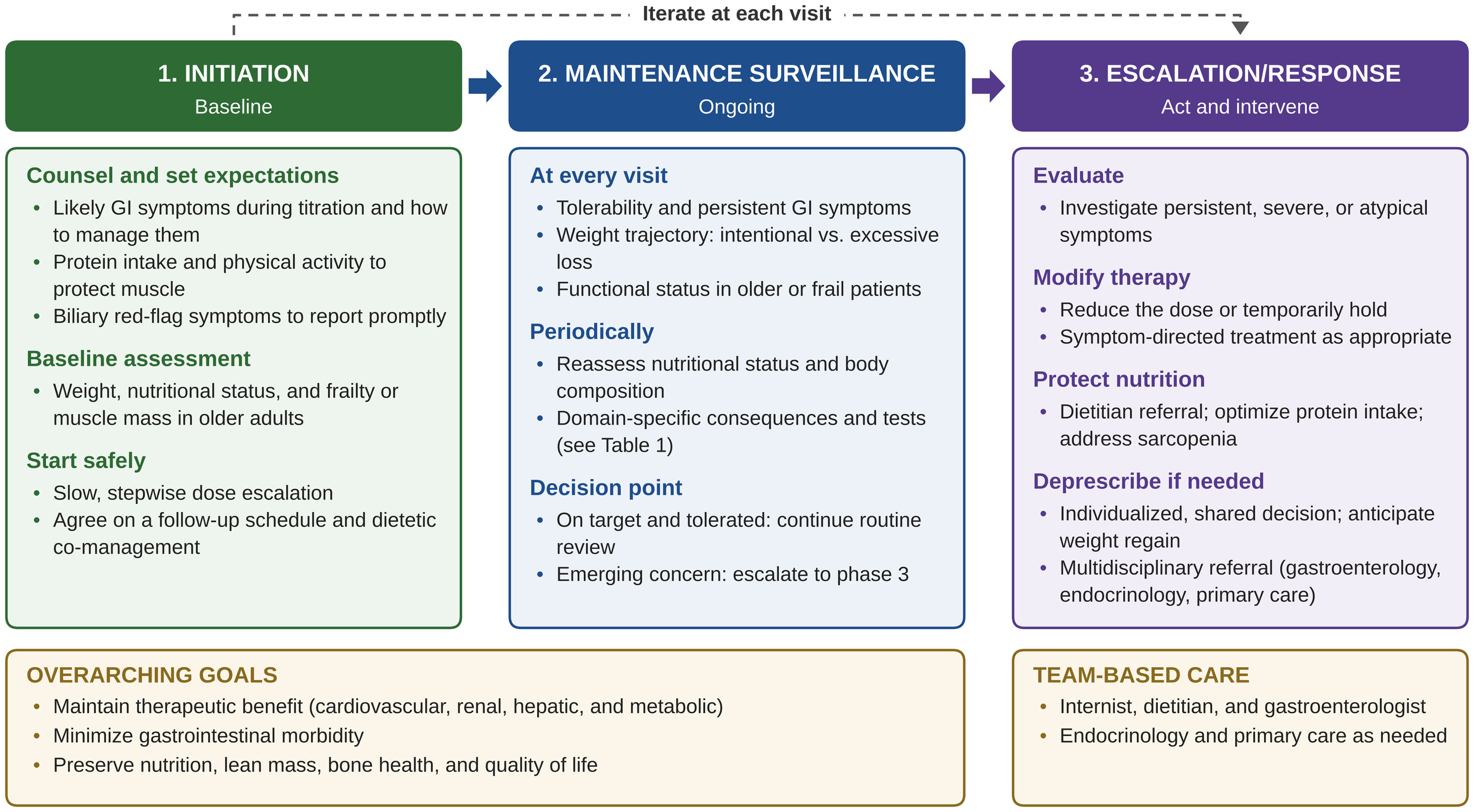 Click for large image | Figure 1. Longitudinal surveillance and management pathway for the patient on sustained GLP-1 RA therapy. The pathway has three color-coded phases (initiation, maintenance surveillance, and escalation/response) and is supported by the overarching goals of therapy and team-based care. GI: gastrointestinal; GLP-1 RA: glucagon-like peptide-1 receptor agonist. |
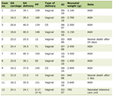 Click to view | Table 1. Chronic Gastrointestinal and Nutritional Consequences of Sustained GLP-1 RA Therapy: Mechanism, At-Risk Subgroups, and Suggested Monitoring |
| Conclusion | ▴Top |
When GLP-1 RAs shift from short-term glycemic agents to permanently prescribed therapies for obesity and cardiovascular, renal, and hepatic protection, their GI and nutritional sequelae must be viewed as components of long-term management rather than a transient inconvenience at initiation. The chronic phenotype (persistent symptoms and disordered motility, altered absorption of concomitant oral drugs, undernutrition, loss of lean mass and bone, and biliary risk) falls increasingly to the general internist to anticipate and manage. Adherence to a systematic surveillance model, attention to body composition rather than to weight alone, and judicious application of both dose adjustment and deprescribing practices will allow clinicians to maximize the benefits of these agents while controlling the cumulative harms of lifelong exposure.
| Novelty of the Study | ▴Top |
Current guidance on the safety of GLP-1 RAs centers on a single periprocedural event, whereas this review addresses the cumulative GI and nutritional effects of years of therapy and is written for the general internist who increasingly manages long-term users. It separates effects that fade with continued exposure from those that persist and uses agent-specific gastric emptying data to show that tachyphylaxis during chronic dosing is incomplete. Persistent symptoms and disordered motility, altered absorption of concomitant oral drugs, loss of lean mass and bone, and biliary and pancreatic risk are considered together, although they are usually discussed in separate literatures. The review also explains why the biliary signals from randomized trials and a real-world cohort appear to conflict, and it gives a quantitative estimate for each risk so that harms can be weighed against cardiometabolic benefit. Finally, it offers a phase-based surveillance and management pathway that uses body composition and function, rather than weight alone, as the long-term endpoint and treats dose reduction as a step before deprescribing. The pathway should remain applicable as oral and multi-agonist agents enter routine practice.
Acknowledgments
None to declare.
Financial Disclosure
This research received no specific grant from any funding agency in the public, commercial, or not-for-profit sectors.
Conflict of Interest
The author declares that he has no conflict of interest.
Author Contributions
AS conceived, drafted, and critically revised the manuscript and approved the final version.
Data Availability
Not applicable; no new data were generated or analyzed for this review.
AI Use Declaration
Claude (Anthropic) was used on a limited basis to assist with manuscript preparation. The author reviewed, verified, and takes full responsibility for the content.
Abbreviations
GLP-1 RA: glucagon-like peptide-1 receptor agonist; GIP: glucose-dependent insulinotropic polypeptide; HR: hazard ratio; CI: confidence interval; MASH: metabolic dysfunction-associated steatohepatitis; CKD: chronic kidney disease; GI: gastrointestinal; SANRA: Scale for the Assessment of Narrative Review Articles; RCT: randomized controlled trial; Cmax: maximum plasma concentration; AUC: area under the concentration-time curve; INR: international normalized ratio; DXA: dual-energy X-ray absorptiometry; RR: relative risk
| References | ▴Top |
- Nauck MA, Quast DR, Wefers J, Meier JJ. GLP-1 receptor agonists in the treatment of type 2 diabetes - state-of-the-art. Mol Metab. 2021;46:101102.
doi pubmed - Jastreboff AM, Aronne LJ, Ahmad NN, Wharton S, Connery L, Alves B, Kiyosue A, et al. Tirzepatide once weekly for the treatment of obesity. N Engl J Med. 2022;387(3):205-216.
doi pubmed - Marso SP, Daniels GH, Brown-Frandsen K, Kristensen P, Mann JF, Nauck MA, Nissen SE, et al. Liraglutide and cardiovascular outcomes in type 2 diabetes. N Engl J Med. 2016;375(4):311-322.
doi pubmed - Lincoff AM, Brown-Frandsen K, Colhoun HM, Deanfield J, Emerson SS, Esbjerg S, Hardt-Lindberg S, et al. Semaglutide and cardiovascular outcomes in obesity without diabetes. N Engl J Med. 2023;389(24):2221-2232.
doi pubmed - Perkovic V, Tuttle KR, Rossing P, Mahaffey KW, Mann JFE, Bakris G, Baeres FMM, et al. Effects of semaglutide on chronic kidney disease in patients with type 2 diabetes. N Engl J Med. 2024;391(2):109-121.
doi pubmed - Sanyal AJ, Newsome PN, Kliers I, Ostergaard LH, Long MT, Kjaer MS, Cali AMG, et al. Phase 3 trial of semaglutide in metabolic dysfunction-associated steatohepatitis. N Engl J Med. 2025;392(21):2089-2099.
doi pubmed - Wilding JPH, Batterham RL, Davies M, Van Gaal LF, Kandler K, Konakli K, Lingvay I, et al. Weight regain and cardiometabolic effects after withdrawal of semaglutide: The STEP 1 trial extension. Diabetes Obes Metab. 2022;24(8):1553-1564.
doi pubmed - Sodhi M, Rezaeianzadeh R, Kezouh A, Etminan M. Risk of gastrointestinal adverse events associated with glucagon-like peptide-1 receptor agonists for weight loss. JAMA. 2023;330(18):1795-1797.
doi pubmed - Ushakumari DS, Sladen RN. ASA consensus-based guidance on preoperative management of patients on glucagon-like peptide-1 receptor agonists. Anesthesiology. 2024;140(2):346-348.
doi pubmed - Hashash JG, Thompson CC, Wang AY. AGA rapid clinical practice update on the management of patients taking GLP-1 receptor agonists prior to endoscopy: communication. Clin Gastroenterol Hepatol. 2024;22(4):705-707.
doi pubmed - Wharton S, Aronne LJ, Stefanski A, Alfaris NF, Ciudin A, Yokote K, Halpern B, et al. Orforglipron, an oral small-molecule GLP-1 receptor agonist for obesity treatment. N Engl J Med. 2025;393(18):1796-1806.
doi pubmed - Jastreboff AM, Kaplan LM, Frias JP, Wu Q, Du Y, Gurbuz S, Coskun T, et al. Triple-hormone-receptor agonist retatrutide for obesity - a phase 2 trial. N Engl J Med. 2023;389(6):514-526.
doi pubmed - Garvey WT, Bluher M, Osorto Contreras CK, Davies MJ, Winning Lehmann E, Pietilainen KH, Rubino D, et al. Coadministered cagrilintide and semaglutide in adults with overweight or obesity. N Engl J Med. 2025;393(7):635-647.
doi pubmed - Baethge C, Goldbeck-Wood S, Mertens S. SANRA-a scale for the quality assessment of narrative review articles. Res Integr Peer Rev. 2019;4:5.
doi pubmed - Drucker DJ. Mechanisms of action and therapeutic application of glucagon-like peptide-1. Cell Metab. 2018;27(4):740-756.
doi pubmed - Maselli DB, Camilleri M. Effects of GLP-1 and its analogs on gastric physiology in diabetes mellitus and obesity. Adv Exp Med Biol. 2021;1307:171-192.
doi pubmed - Nauck MA, Kemmeries G, Holst JJ, Meier JJ. Rapid tachyphylaxis of the glucagon-like peptide 1-induced deceleration of gastric emptying in humans. Diabetes. 2011;60(5):1561-1565.
doi pubmed - Umapathysivam MM, Lee MY, Jones KL, Annink CE, Cousins CE, Trahair LG, Rayner CK, et al. Comparative effects of prolonged and intermittent stimulation of the glucagon-like peptide 1 receptor on gastric emptying and glycemia. Diabetes. 2014;63(2):785-790.
doi pubmed - Meier JJ. GLP-1 receptor agonists for individualized treatment of type 2 diabetes mellitus. Nat Rev Endocrinol. 2012;8(12):728-742.
doi pubmed - Halawi H, Khemani D, Eckert D, O'Neill J, Kadouh H, Grothe K, Clark MM, et al. Effects of liraglutide on weight, satiation, and gastric functions in obesity: a randomised, placebo-controlled pilot trial. Lancet Gastroenterol Hepatol. 2017;2(12):890-899.
doi pubmed - Hjerpsted JB, Flint A, Brooks A, Axelsen MB, Kvist T, Blundell J. Semaglutide improves postprandial glucose and lipid metabolism, and delays first-hour gastric emptying in subjects with obesity. Diabetes Obes Metab. 2018;20(3):610-619.
doi pubmed - Urva S, Coskun T, Loghin C, Cui X, Beebe E, O'Farrell L, Briere DA, et al. The novel dual glucose-dependent insulinotropic polypeptide and glucagon-like peptide-1 (GLP-1) receptor agonist tirzepatide transiently delays gastric emptying similarly to selective long-acting GLP-1 receptor agonists. Diabetes Obes Metab. 2020;22(10):1886-1891.
doi pubmed - Wilding JPH, Batterham RL, Calanna S, Davies M, Van Gaal LF, Lingvay I, McGowan BM, et al. Once-weekly semaglutide in adults with overweight or obesity. N Engl J Med. 2021;384(11):989-1002.
doi pubmed - Rubino D, Abrahamsson N, Davies M, Hesse D, Greenway FL, Jensen C, Lingvay I, et al. Effect of continued weekly subcutaneous semaglutide vs placebo on weight loss maintenance in adults with overweight or obesity: the STEP 4 randomized clinical trial. JAMA. 2021;325(14):1414-1425.
doi pubmed - Calvarysky B, Dotan I, Shepshelovich D, Leader A, Cohen TD. Drug-drug interactions between glucagon-like peptide 1 receptor agonists and oral medications: a systematic review. Drug Saf. 2024;47(5):439-451.
doi pubmed - Hausner H, Derving Karsbol J, Holst AG, Jacobsen JB, Wagner FD, Golor G, Anderson TW. Effect of semaglutide on the pharmacokinetics of metformin, warfarin, atorvastatin and digoxin in healthy subjects. Clin Pharmacokinet. 2017;56(11):1391-1401.
doi pubmed - Min JS, Jo SJ, Lee S, Kim DY, Kim DH, Lee CB, Bae SK. A comprehensive review on the pharmacokinetics and drug-drug interactions of approved GLP-1 receptor agonists and a dual GLP-1/GIP receptor agonist. Drug Des Devel Ther. 2025;19:3509-3537.
doi pubmed - Kapitza C, Nosek L, Jensen L, Hartvig H, Jensen CB, Flint A. Semaglutide, a once-weekly human GLP-1 analog, does not reduce the bioavailability of the combined oral contraceptive, ethinylestradiol/levonorgestrel. J Clin Pharmacol. 2015;55(5):497-504.
doi pubmed - Hauge C, Breitschaft A, Hartoft-Nielsen ML, Jensen S, Baekdal TA. Effect of oral semaglutide on the pharmacokinetics of thyroxine after dosing of levothyroxine and the influence of co-administered tablets on the pharmacokinetics of oral semaglutide in healthy subjects: an open-label, one-sequence crossover, single-center, multiple-dose, two-part trial. Expert Opin Drug Metab Toxicol. 2021;17(9):1139-1148.
doi pubmed - Cava E, Yeat NC, Mittendorfer B. Preserving healthy muscle during weight loss. Adv Nutr. 2017;8(3):511-519.
doi pubmed - Look M, Dunn JP, Kushner RF, Cao D, Harris C, Gibble TH, Stefanski A, et al. Body composition changes during weight reduction with tirzepatide in the SURMOUNT-1 study of adults with obesity or overweight. Diabetes Obes Metab. 2025;27(5):2720-2729.
doi pubmed - Karakasis P, Patoulias D, Fragakis N, Mantzoros CS. Effect of glucagon-like peptide-1 receptor agonists and co-agonists on body composition: Systematic review and network meta-analysis. Metabolism. 2025;164:156113.
doi pubmed - Conte C, Hall KD, Klein S. Is weight loss-induced muscle mass loss clinically relevant? JAMA. 2024;332(1):9-10.
doi pubmed - Cruz-Jentoft AJ, Bahat G, Bauer J, Boirie Y, Bruyere O, Cederholm T, Cooper C, et al. Sarcopenia: revised European consensus on definition and diagnosis. Age Ageing. 2019;48(1):16-31.
doi pubmed - Villareal DT, Chode S, Parimi N, Sinacore DR, Hilton T, Armamento-Villareal R, Napoli N, et al. Weight loss, exercise, or both and physical function in obese older adults. N Engl J Med. 2011;364(13):1218-1229.
doi pubmed - He L, Wang J, Ping F, Yang N, Huang J, Li Y, Xu L, et al. Association of glucagon-like peptide-1 receptor agonist use with risk of gallbladder and biliary diseases: a systematic review and meta-analysis of randomized clinical trials. JAMA Intern Med. 2022;182(5):513-519.
doi pubmed - Abd El Aziz M, Cahyadi O, Meier JJ, Schmidt WE, Nauck MA. Incretin-based glucose-lowering medications and the risk of acute pancreatitis and malignancies: a meta-analysis based on cardiovascular outcomes trials. Diabetes Obes Metab. 2020;22(4):699-704.
doi pubmed - Smits MM, Van Raalte DH. Safety of semaglutide. Front Endocrinol (Lausanne). 2021;12:645563.
doi pubmed
This article is distributed under the terms of the Creative Commons Attribution 4.0 International License (CC BY 4.0), which permits unrestricted use, distribution, and reproduction in any medium, including commercial use, provided the original work is properly cited.
Journal of Current Pharmacology is published by Elmer Press Inc.